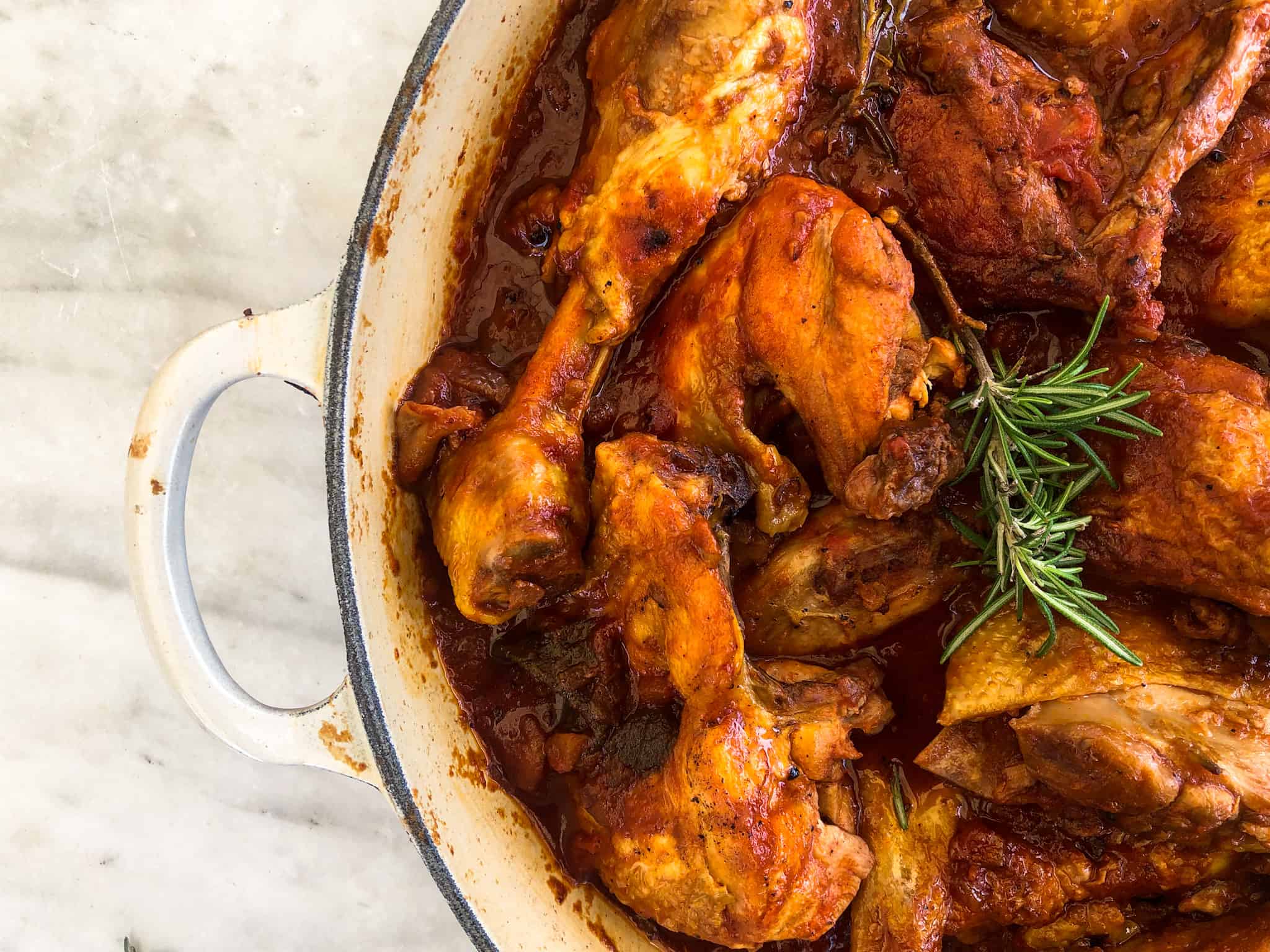
Unearthing the Flavors of Italy: Your Authentic Italian Chicken Cacciatore Recipe
There's something uniquely comforting and deeply satisfying about a slow-cooked, rustic Italian dish. Among the pantheon of beloved Italian classics, Italian Chicken Cacciatore stands out. More than just a meal, it's a culinary journey, a "hunter's stew" (pollo alla cacciatora) that captures the essence of generations of Italian home cooking. Imagine tender chicken, simmered to perfection in a rich, aromatic tomato and wine sauce, infused with herbs, and dotted with briny olives. It's a dish that warms the soul and transports you straight to the heart of the Italian countryside.
While variations abound across Italy's diverse regions, the spirit of Cacciatore remains constant: resourceful, flavorful, and incredibly hearty. Our comprehensive guide will help you master an authentic version, offering insights and tips to create a truly memorable meal right in your own kitchen.
The Heart of the Hunt: What Makes Authentic Italian Chicken Cacciatore?
The name "Cacciatore" translates to "hunter" in Italian, giving us a direct clue to its origins. Historically, this wasn't just a chicken dish; it was a pragmatic stew born from whatever game the day's hunt provided – pheasant, rabbit, or other wild fowl. Peasants would take their catch, combine it with readily available garden vegetables, aromatic herbs, and local wine, and simmer it into a nourishing, flavorful meal.
Today, chicken has become the most common star of this beloved stew. However, the core principles remain: a robust, deeply flavored sauce, slow cooking to tenderize the meat, and a rustic elegance that speaks to its humble beginnings. What truly defines an authentic Italian Chicken Cacciatore is not a rigid set of ingredients, but rather the harmonious balance of fresh, quality components and a patient cooking process. It's less about a precise formula and more about creating a dish with depth, character, and the unmistakable taste of Italy.
From the sun-drenched region of Tuscany to the bustling streets of Rome, each family and region might have their subtle twist – some favoring red wine, others white; some adding bell peppers, others wild mushrooms. Our recipe embraces this spirit of adaptability while guiding you toward a classic and utterly delicious rendition.
Crafting Your Perfect Hunter's Stew: Key Ingredients and Their Role
The beauty of Italian Chicken Cacciatore lies in its reliance on simple, high-quality ingredients that, when combined, create something extraordinary. Here’s a breakdown of the essentials:
- Chicken: For the most tender, fall-off-the-bone experience, opt for bone-in, skin-on chicken thighs and drumsticks. While breast meat can be used, the dark meat contributes immensely to the rich flavor and stands up beautifully to long simmering.
- Tomatoes: The soul of the sauce! Crushed San Marzano tomatoes are highly recommended for their sweetness and low acidity, creating a thick, flavorful base without needing excessive sugar or flour. Diced tomatoes can also be used, along with a touch of tomato paste for concentrated umami.
- Wine: This is a crucial flavor enhancer. A dry red wine (like Chianti or Sangiovese) offers a deeper, richer flavor profile, perfectly complementing the robust tomato sauce. However, a dry white wine can also be used for a lighter, brighter finish. The wine also plays a vital role in deglazing the pan, capturing all those flavorful browned bits. To delve deeper into the role of wine and other key ingredients, explore our article on Craft the Perfect Chicken Cacciatore: Wine, Tomatoes & Wild Mushrooms.
- Aromatics: Onion and garlic form the foundational flavor layer. Sautéing them until soft and translucent builds the aromatic base for the entire dish.
- Herbs: Fresh is best! Rosemary, thyme, and bay leaves add an earthy, savory depth during simmering. Fresh parsley and basil stirred in at the end brighten the flavor and add a vibrant finish.
- Olives: A handful of black (like Kalamata or Gaeta) or green olives adds a wonderful briny counterpoint to the rich sauce. They're typically added towards the end to maintain their texture and distinct flavor. Some traditions also include steamed artichoke hearts for a similar briny kick.
- Mushrooms (Optional, but Recommended): For an extra layer of earthy complexity and a nod to the "hunter's" tradition, wild mushrooms like oyster or chanterelles are a fantastic addition. Sautéing them separately or with the aromatics deepens their flavor.
- Chicken Stock: Used to thin the sauce to the desired consistency and add another layer of savory richness.
The Step-by-Step Guide to a Traditional Italian Chicken Cacciatore
Achieving that perfect tender chicken and richly flavored sauce involves a few key steps. While some recipes suggest skipping browning for a lighter version, the traditional method of browning the chicken adds invaluable depth and complexity to the final dish. Here’s how to create your authentic Italian Chicken Cacciatore:
Ingredients:
- 4-6 bone-in, skin-on chicken thighs and/or drumsticks (about 2-3 lbs)
- 2 tbsp all-purpose flour (optional, for coating chicken)
- 1/2 tsp salt, plus more to taste
- 1/4 tsp black pepper, plus more to taste
- 4 tbsp olive oil, divided
- 1 large yellow onion, finely diced
- 2-3 cloves garlic, minced
- 1 cup dry red or white wine
- 1 (28-ounce) can crushed San Marzano tomatoes
- 2 tbsp tomato paste
- 1 tsp sugar (optional, balances acidity)
- 1 sprig fresh rosemary
- 2-3 sprigs fresh thyme
- 1 bay leaf
- 1/2 cup chicken stock, or more as needed
- 1/2 cup mixed black and green olives, pitted
- 1/4 cup fresh parsley, chopped, for garnish
- 1/4 cup fresh basil, chopped, for garnish
- Optional: 1 cup wild mushrooms (e.g., oyster, cremini), sliced
Instructions:
- Prepare the Chicken: Pat chicken pieces dry with paper towels. In a large bowl, combine the flour, 1/2 tsp salt, and 1/4 tsp pepper. Toss the chicken thighs and/or drumsticks in this flour mixture until lightly and evenly coated. (Note: Skipping the flour is an option for a gluten-free or lighter version; simply season the chicken directly with salt and pepper.)
- Sauté Aromatics & Brown Chicken: Heat 2 tablespoons of olive oil in a large, heavy-bottomed pot or Dutch oven over medium heat. Add the diced onion and cook, stirring occasionally, until soft and translucent, about 5-7 minutes. Add the minced garlic and cook for another minute until fragrant. Transfer the sautéed onion and garlic to a separate bowl.
- Brown the Chicken: Add the remaining 2 tablespoons of olive oil to the same pot. Increase heat to medium-high. Place the floured chicken pieces, skin-side down, in the hot oil. Brown thoroughly on one side for about 5-7 minutes until deep golden. Flip and brown the other side for another 5-7 minutes. You may need to do this in batches to avoid overcrowding the pot. Once browned, transfer the chicken to the bowl with the aromatics.
- Deglaze the Pot: Carefully pour the wine into the hot pot. Bring to a boil, stirring vigorously with a wooden spoon to scrape up all the flavorful browned bits (fond) from the bottom of the pot. Let it simmer for 2-3 minutes to reduce slightly. This deglazing step is crucial for building deep flavor.
- Assemble and Simmer: Return the browned chicken, sautéed onion, and garlic to the pot. Stir in the crushed San Marzano tomatoes, tomato paste, and optional sugar. Add the rosemary, thyme, and bay leaf. Season with additional salt and pepper to taste. Pour in about 1/2 cup of chicken stock, adding more if needed to ensure the chicken is mostly submerged in the sauce.
- Cook the Cacciatore: Bring the mixture to a gentle simmer. Reduce the heat to low, cover the pot, and cook for 45-60 minutes, stirring occasionally, until the chicken is fork-tender and cooked through. If using, now is a good time to lightly sauté your sliced wild mushrooms in a separate pan with a touch of olive oil until tender, then add them to the stew for the last 15-20 minutes of simmering.
- Finish the Dish: Stir in the pitted olives during the last 5-10 minutes of cooking, just enough time for them to heat through and meld with the sauce. Remove the bay leaf, rosemary, and thyme sprigs.
- Serve: Taste and adjust seasonings one last time. Stir in most of the fresh parsley and basil. Ladle generous portions of Italian Chicken Cacciatore onto plates, garnishing with the remaining fresh herbs.
Elevating Your Cacciatore: Expert Tips and Serving Suggestions
Once you’ve mastered the basic recipe, there are many ways to make your Italian Chicken Cacciatore truly your own:
- Cooking Methods: While traditionally made on the stovetop, this dish adapts beautifully to other cooking methods. You can easily finish it in the oven (covered, at 325°F/160°C for the simmering time) or even in a slow cooker for an effortless meal. For more on these alternative cooking methods, check out our guide on Easy & Healthy Chicken Cacciatore: Stovetop, Oven, Slow Cooker.
- Side Dishes: Cacciatore is fantastic served over creamy polenta, absorbing all that rich sauce. Other excellent choices include egg noodles, crusty bread (perfect for soaking up the sauce!), roasted potatoes, or a simple bed of white rice.
- Enhancements: Serve with a generous sprinkle of freshly grated Parmigiano-Reggiano or Pecorino Romano cheese. For an extra touch, rub garlic on toasted bruschetta and serve alongside to scoop up the delicious red wine tomato sauce.
- Make Ahead: This stew often tastes even better the next day as the flavors have more time to meld. It reheats beautifully on the stovetop over low heat.
- Wine Pairing: Pair your Cacciatore with a medium-bodied red wine like a Chianti, Sangiovese, or a robust Montepulciano d'Abruzzo to complement its savory, earthy notes.
Whether you’re a seasoned cook or new to Italian cuisine, this Authentic Italian Chicken Cacciatore Recipe offers a rewarding and delicious experience. It’s more than just a meal; it’s a taste of history, comfort, and the rustic charm of Italy.
