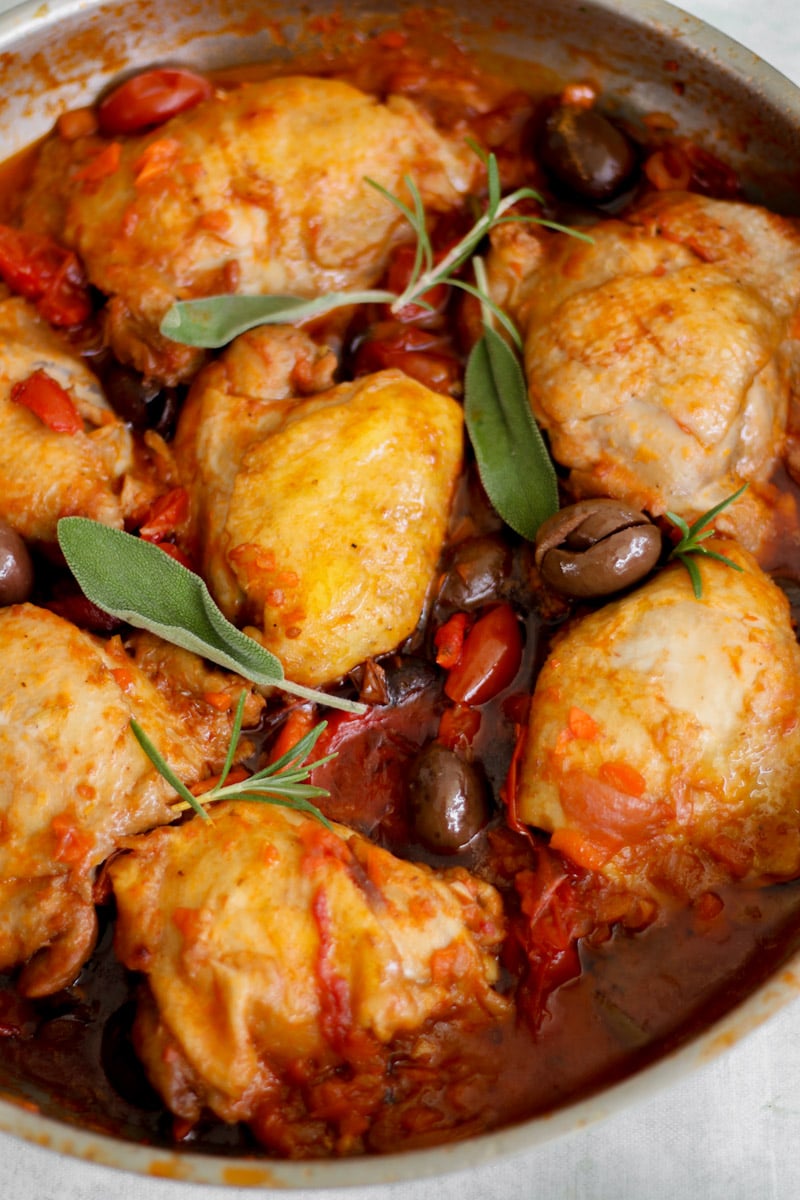
Unveiling the Rustic Charm of Italian Chicken Cacciatore
Imagine the sun-drenched hills of Italy, a hunter returning from the day's foray, and a comforting, hearty meal simmering over an open fire. This is the spirit of
italian chicken cacciatore, a timeless classic that transcends mere sustenance to become a culinary embrace. Literally translating to "hunter's style," cacciatore embodies rustic Italian cooking at its finest – resourceful, flavorful, and deeply satisfying.
Originally, this robust stew would have been prepared with whatever game the hunter brought home – perhaps rabbit, pheasant, or wild boar. Today, chicken reigns supreme, offering a versatile canvas for the rich tapestry of flavors that define this beloved dish. While regional variations abound, the core essence remains: tender chicken braised in a savory sauce bursting with tomatoes, wine, herbs, and often, earthy wild mushrooms. It's a meal that speaks of tradition, family, and the simple joy of good food cooked with love. For those eager to delve deeper into its origins and authentic preparation, explore our guide to an
Authentic Italian Chicken Cacciatore Recipe: Hunter's Stew.
The Pillars of Flavor: Key Ingredients for Perfection
Crafting the perfect
italian chicken cacciatore hinges on selecting and preparing a few star ingredients with care. Each component plays a crucial role in building the dish's signature depth and complexity.
Choosing Your Chicken: Dark Meat for Depth
The foundation of any great cacciatore is, naturally, the chicken. While you *could* use breast meat, traditional recipes and culinary wisdom strongly advocate for bone-in, skin-on chicken thighs and drumsticks. Why? Dark meat is inherently more flavorful and forgiving, standing up beautifully to the long, slow braising process without drying out. The bones contribute essential collagen and marrow to the sauce, adding a richness that boneless, skinless cuts simply can't match. If you're aiming for a slightly healthier version, you can always remove the skin after browning, allowing the flavor to develop while reducing the fat content.
The Magic of Tomatoes: San Marzano is Key
Tomatoes are the heart and soul of the cacciatore sauce. For an authentic Italian experience, reach for high-quality canned San Marzano tomatoes. These elongated plum tomatoes, grown in the volcanic soil near Mount Vesuvius, are renowned for their sweet flavor, low acidity, and thick flesh. This combination creates a naturally rich and balanced sauce without the need for excessive sugar or lengthy reduction times. Supplementing diced tomatoes with a spoonful of tomato paste further concentrates the flavor, adding an umami punch that truly makes the sauce sing.
Wine: Red or White, A Matter of Preference
The choice between red and white wine for your cacciatore can spark a friendly debate among chefs. Historically, it might have depended on what was available. Both options contribute acidity and a layer of complex flavor.
- Red Wine: Often preferred when using rich San Marzano tomatoes and wild mushrooms, a dry, medium-bodied red like Chianti, Sangiovese, or a good Merlot will impart a deeper, more robust character to the sauce. It complements the earthy notes of mushrooms and the savory chicken beautifully.
- White Wine: A dry white wine, such as Pinot Grigio or Sauvignon Blanc, offers a lighter, brighter profile. This can be excellent if you prefer a less intense sauce or if you're incorporating ingredients like artichoke hearts that benefit from a crisper backdrop.
Regardless of your choice, always use a wine you would enjoy drinking. Its flavor will be concentrated in your dish.
Earthy Notes: The Wild Mushroom Advantage
While not always included in every rendition, wild mushrooms elevate
italian chicken cacciatore from a simple stew to something truly extraordinary, fulfilling the "wild" aspect of the hunter's meal. Varieties like oyster mushrooms, chanterelles, or even rehydrated dried porcini offer an unparalleled depth of earthy, umami flavor. These seasonal treasures interact beautifully with the rich tomato and wine sauce, adding texture and an unmistakable forest-like aroma. If wild mushrooms are unavailable, a mix of cremini and shiitake can offer a satisfying substitute.
The Briny Counterpoint: Olives
A handful of good quality olives, added towards the end of cooking, provides a salty, briny counterpoint that cuts through the richness of the sauce. A mix of both black (such as Gaeta or Kalamata) and green (like Castelvetrano) olives offers a delightful interplay of flavors and textures.
Aromatics & Herbs: The Foundation of Fragrance
No Italian dish is complete without a solid aromatic base. Sautéed onions and garlic are non-negotiable, building the foundation of flavor. Fresh herbs like parsley, basil, rosemary, and oregano contribute bright, aromatic notes that lift the entire dish. Always add delicate fresh herbs like parsley and basil towards the end of cooking to preserve their vibrant flavor and color.
Crafting Your Cacciatore: Methods and Techniques
The beauty of
italian chicken cacciatore lies in its adaptable cooking methods, allowing you to achieve tender, fall-off-the-bone chicken whether you opt for the stovetop, oven, or slow cooker.
The Browning Debate: Flavor vs. Simplicity
One common point of divergence in cacciatore recipes is whether to brown the chicken first.
- The Browning Camp: Searing the chicken until deeply golden brown creates the Maillard reaction, a chemical process that develops hundreds of new flavor compounds, adding significant depth and complexity to the finished dish. It also helps render some of the fat from the skin. If you choose this path, a light dusting of flour can help achieve a more even crust.
- The No-Browning Camp: Some modern interpretations, prioritizing health and ease, skip the browning step entirely. Proponents argue that with long, slow braising, the chicken will become incredibly tender regardless, and the flavors will meld beautifully without the extra step. This approach often results in a lighter stew.
Ultimately, the choice is yours. For maximum flavor, browning is recommended. For a quicker, easier, and slightly lighter version, skipping it is perfectly acceptable, especially if you're using high-quality ingredients that bring a lot of flavor on their own.
Building the Robust Sauce
After any browning, the pan holds precious caramelized bits – the "fond." This is where the magic of deglazing comes in. Pouring in your chosen wine while the pan is hot, then scraping up these bits, dissolves them into the liquid, forming the flavor base of your sauce. Next, sauté your aromatics (onions, garlic) until soft and fragrant. Add your diced tomatoes, tomato paste, chicken stock, and herbs, bringing the sauce to a gentle simmer before nestling the chicken back into the pot.
The Art of Braising: Stovetop, Oven, or Slow Cooker
The secret to perfectly tender
italian chicken cacciatore is long, slow braising.
- Stovetop: A heavy-bottomed pot or Dutch oven over low to medium-low heat is ideal. Cover and simmer gently for about 45 minutes to an hour, stirring occasionally to prevent sticking and ensure even cooking.
- Oven: Transferring the covered pot to a preheated oven (around 325-350°F / 160-175°C) offers a more even, gentle heat distribution, resulting in exceptionally tender chicken and a deeply flavored sauce without much stirring. Bake for 1 to 1.5 hours.
- Slow Cooker: For ultimate convenience, the slow cooker excels. Combine all ingredients (after browning, if desired) and cook on low for 4-6 hours or high for 2-3 hours, until the chicken is fall-off-the-bone tender.
Regardless of the method, the goal is to simmer until the chicken is cooked through and succulent. For more on these versatile cooking methods and healthy twists, check out our guide on
Easy & Healthy Chicken Cacciatore: Stovetop, Oven, Slow Cooker. Finally, stir in your olives and remaining fresh herbs during the last few minutes of cooking to heat them through and brighten the flavors.
Elevating the Experience: Wine Pairings & Serving Suggestions
A truly exceptional meal goes beyond the main dish. Thoughtful wine pairings and complementary side dishes transform your
italian chicken cacciatore into a complete dining experience.
Wine Pairings: What to Drink with Cacciatore
The wine you chose for cooking can often guide your choice for drinking.
- Red Wine Cacciatore: A medium-bodied Italian red like a Chianti Classico, Rosso di Montalcino, or a good Sangiovese will echo the flavors in the dish beautifully. These wines offer balanced acidity and savory notes that complement the tomato and mushroom elements without overpowering the chicken.
- White Wine Cacciatore: If you've used white wine in your recipe, a crisp, dry Pinot Grigio or a Vermentino would be an excellent choice for drinking, providing a refreshing contrast.
Classic Serving Suggestions
The rich, saucy nature of
italian chicken cacciatore begs for something to soak up every last drop.
- Creamy Polenta: This is arguably the most traditional and perfect pairing. Its creamy texture and mild flavor provide an ideal backdrop for the robust sauce.
- Pasta: Wide egg noodles, pappardelle, or even a hearty spaghetti are fantastic choices.
- Rustic Bread: A crusty ciabatta or garlic-rubbed bruschetta is essential for mopping up every delicious bit of sauce.
- Potatoes: Roasted potatoes or creamy mashed potatoes offer a comforting alternative.
- Rice: Simple steamed rice or even a risotto can work well.
- Vegetables: A light green salad with a vinaigrette or steamed artichoke hearts can provide a refreshing counterpoint.
Conclusion
From its humble origins as a hunter's meal to its status as a beloved Italian classic,
italian chicken cacciatore continues to captivate palates worldwide. It's a dish that celebrates fresh, quality ingredients and the magic of slow cooking, transforming simple components into a symphony of rich, savory flavors. Whether you prefer the robust depth of red wine and wild mushrooms or a lighter, brighter interpretation, crafting this iconic stew is a rewarding culinary journey. So gather your ingredients, savor the aroma as it simmers, and prepare to delight in a timeless taste of Italy, right in your own home.