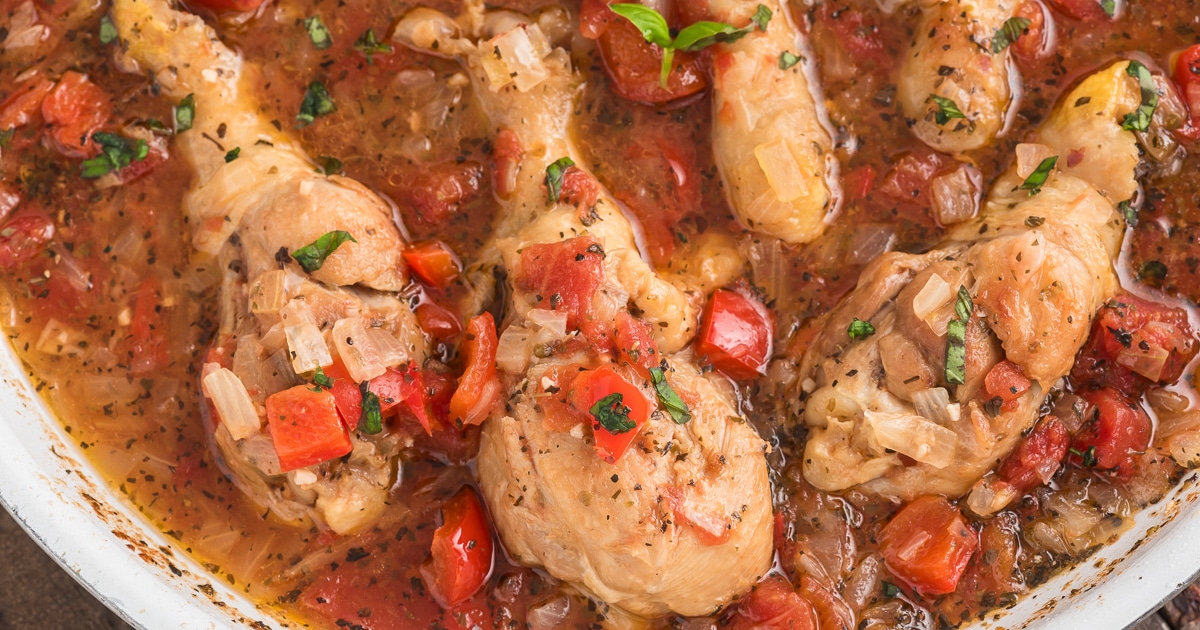
Easy & Healthy Chicken Cacciatore: Your Go-To Rustic Italian Meal
Imagine a hearty, aromatic dish that transports you straight to the Italian countryside with every bite. That’s the magic of Italian chicken cacciatore. More than just a meal, it's a culinary embrace – a rustic, flavorful chicken stew brimming with vibrant tomatoes, aromatic herbs, and savory olives. This classic "hunter's style" dish is celebrated for its incredible depth of flavor, surprising simplicity, and remarkable versatility. Whether you prefer the steady simmer of a stovetop, the gentle warmth of an oven, or the hands-off convenience of a slow cooker, mastering this authentic recipe is easier than you think. And the best part? It can be a wonderfully healthy addition to your weekly meal rotation.
The Heart of the Hunt: What Makes an Authentic Italian Chicken Cacciatore?
The name "cacciatore" literally means "hunter" in Italian, and the dish truly embodies this spirit. Historically, it was a practical stew prepared by hunters using whatever game they brought back from the field – often rabbit, pheasant, or other wild fowl – braised in a flavorful sauce with local vegetables and herbs. Today, chicken has become the most common protein, lending itself beautifully to the slow-cooked tenderness characteristic of the dish.
At its core, a truly authentic Italian chicken cacciatore hinges on a few non-negotiable elements:
- Chicken Thighs: While you can use other cuts, bone-in, skin-on chicken thighs are highly recommended. Their higher fat content ensures they remain incredibly moist and flavorful during the long cooking process, yielding that desirable "fall-off-the-bone" tenderness.
- Quality Tomatoes: The sauce is the soul of cacciatore, and it starts with superior tomatoes. Opt for whole peeled San Marzano tomatoes, known for their sweet, balanced flavor and low acidity. Crushing them by hand or roughly dicing them yourself provides a better texture than pre-diced varieties. A touch of tomato paste can further deepen the umami.
- Aromatics and Herbs: Onions and garlic form the foundational flavor base, softened in olive oil to release their sweetness. Classic Italian herbs like fresh rosemary, thyme, oregano, and generous amounts of fresh parsley and basil (added at the end) infuse the stew with their fragrant essence.
- Wine: Both red and white wines have their place. A dry white wine is traditional for deglazing and adds a bright acidity, while a dry red wine (like a Sangiovese or Chianti) can lend a deeper, richer hue and more robust flavor to the sauce. The alcohol cooks off, leaving behind complex notes. You can learn more about the crucial role of these ingredients in our guide to Craft the Perfect Chicken Cacciatore: Wine, Tomatoes & Wild Mushrooms.
- Olives: A handful of briny black or green olives (or a mix) stirred in at the end adds a wonderful pop of salty flavor and Mediterranean flair.
Beyond these staples, many authentic recipes also incorporate wild mushrooms, which further enhance the "hunter's stew" feel by adding earthy, umami notes. Varieties like oyster, shiitake, or even simple cremini mushrooms can elevate the dish significantly. For a deeper dive into the roots and variations of this beloved dish, explore our article on Authentic Italian Chicken Cacciatore Recipe: Hunter's Stew.
Versatility in Your Kitchen: Stovetop, Oven, and Slow Cooker Cacciatore
One of the greatest appeals of Italian chicken cacciatore is its adaptability to various cooking methods. Each approach offers slightly different benefits, allowing you to choose what best suits your time and preferences while still achieving a delicious, tender result.
Stovetop Method: The Traditional Simmer
The stovetop method is perhaps the most classic way to prepare cacciatore, allowing for direct control over the browning and simmering process. This technique often yields the most intensely flavored sauce due to the initial caramelization.
- Sauté Aromatics: Begin by heating a few tablespoons of good quality olive oil in a large, heavy-bottomed pot or Dutch oven over medium heat. Add diced onions and cook until soft and translucent, about 5-7 minutes. You can also add minced garlic here for the last minute.
- Brown the Chicken: Season bone-in, skin-on chicken thighs generously with salt and pepper. If you desire a rich flavor profile and don't mind the extra step, dredge them lightly in flour (seasoned with salt and pepper) before browning. Heat additional olive oil in the same pot, then sear the chicken thighs, skin-side down, until deeply golden brown and crispy, about 5-7 minutes. Flip and brown the other side for another 5 minutes. Transfer the browned chicken to a plate. (For a lighter, no-flour version, you can skip the browning, especially if using boneless, skinless chicken, though the depth of flavor will be slightly different.)
- Deglaze and Build Sauce: Pour a splash of dry white or red wine into the hot pot, scraping up all those delicious browned bits (fond) from the bottom – this is where much of the flavor resides! Stir in crushed San Marzano tomatoes, a tablespoon or two of tomato paste, a pinch of sugar (to balance acidity), and enough chicken stock to almost cover the chicken. Season with salt, pepper, and your preferred dried Italian herbs.
- Simmer to Perfection: Return the browned chicken to the pot. Bring the sauce to a gentle simmer, then reduce heat to low, cover, and cook for 45 minutes to an hour, or until the chicken is fork-tender and cooked through. Stir occasionally.
- Finish: Stir in fresh olives, and copious amounts of fresh chopped parsley and basil for the last 5-10 minutes of cooking.
Oven Method: Hands-Off Braising
The oven method is fantastic for even cooking and allows for a more "set it and forget it" approach after the initial stovetop steps. It's ideal for achieving incredibly tender chicken.
- Initial Stovetop Prep: Follow steps 1-3 of the stovetop method in an oven-safe Dutch oven or heavy pot. Ensure the sauce ingredients are combined and the chicken is nestled in the sauce.
- Bake: Cover the pot tightly and transfer it to a preheated oven at 350°F (175°C). Bake for 1 to 1.5 hours, or until the chicken is falling off the bone. The consistent, gentle heat of the oven is perfect for braising.
- Finish: Remove from the oven, stir in olives, fresh parsley, and basil, and let it rest for a few minutes before serving.
Slow Cooker Method: Ultimate Convenience and Tenderness
For those truly busy days, the slow cooker is your best friend. This method often skips the initial browning and flour, resulting in a lighter, equally delicious version with minimal fuss. The long, low cooking ensures ultra-tender chicken.
- Combine Ingredients: Place chicken thighs (skin-on or skin-off, bone-in or boneless – all work well here), diced onions, minced garlic, crushed San Marzano tomatoes, tomato paste, dried Italian herbs, salt, pepper, a pinch of sugar, and about a cup of chicken stock or wine directly into your slow cooker. There's no need to brown the chicken first, as the slow cooking will render the skin soft anyway, and the flavor will still develop beautifully.
- Slow Cook: Cover and cook on low for 6-8 hours or on high for 3-4 hours, until the chicken is incredibly tender and easily pulls apart.
- Finish: Stir in olives, fresh parsley, and basil during the last 30 minutes of cooking, or just before serving.
Crafting Your Perfect Cacciatore: Healthier Choices & Flavor Boosters
Making Italian chicken cacciatore not just delicious but also healthy is entirely achievable with a few thoughtful choices:
- Skip the Browning/Flour: As highlighted in the slow cooker method, omitting the initial browning and flour dredging cuts down on fat and calories without sacrificing much in the way of flavor, especially when using quality ingredients and allowing for a long simmer. The richness of San Marzano tomatoes and the reduction of wine are often enough to create a beautifully thick sauce.
- Embrace Wild Mushrooms: Beyond enhancing the "hunter's stew" narrative, wild mushrooms (oyster, cremini, chanterelles, porcini) add a wealth of umami and nutrients. They are a fantastic way to boost flavor naturally without added fats. Sauté them separately before adding them to the stew to ensure they don't get soggy.
- Load Up on Veggies: Feel free to add more vegetables beyond onions. Bell peppers (red, yellow, or orange), carrots, celery, or even steamed artichoke hearts (as an alternative to olives) can be incorporated for added fiber, vitamins, and flavor.
- Balance Acidity: A small pinch of sugar is not traditional in all Italian cooking, but it can work wonders to balance the acidity of tomatoes, especially if your tomatoes aren't perfectly ripe or if you prefer a slightly sweeter sauce.
- Fresh Herbs are Key: While dried herbs provide a good base, finishing with a generous handful of fresh parsley and basil brightens the entire dish, adding a burst of fresh, vibrant flavor that cannot be replicated by dried herbs alone.
Serving Suggestions: Completing Your Italian Feast
Once your easy and healthy Italian chicken cacciatore is ready, the only thing left is to decide how to serve it. This versatile dish pairs wonderfully with a variety of sides:
- Creamy Polenta: This is a classic, traditional pairing. The creamy texture of polenta soaks up the rich tomato sauce beautifully.
- Pasta: Wide egg noodles or a robust pasta shape like pappardelle or rigatoni are excellent choices.
- Crusty Bread/Bruschetta: Perfect for mopping up every last drop of that savory sauce. Garlic-rubbed bruschetta would be divine.
- Potatoes: Roasted potatoes or a simple mashed potato side offer a comforting accompaniment.
- Rice: A bed of fluffy white or brown rice can also be a simple and satisfying option.
- Green Salad: A light, fresh green salad dressed with a vinaigrette provides a refreshing contrast to the richness of the stew.
Always finish with a drizzle of good extra virgin olive oil and a sprinkle of freshly grated Parmesan cheese, if desired, for an extra layer of flavor.
Whether you're new to Italian cooking or a seasoned chef, this easy and healthy Italian chicken cacciatore recipe is a must-try. Its rich history, comforting flavors, and adaptability to various cooking methods make it a perfect choice for a weeknight family dinner or a cozy weekend gathering. So, gather your ingredients, choose your method, and prepare to enjoy a truly timeless taste of Italy.
